
A car accident can be stressful and confusing, and the decisions you make afterward can affect your safety, vehicle repairs, and insurance claim. Knowing what not to do after a car accident is just as important as knowing the right steps to take.
Whether the collision appears minor or your vehicle has significant damage, avoiding common mistakes after a car accident can help protect you and prevent additional problems with your vehicle.
1. Don’t Drive a Vehicle That May Be Unsafe
One of the biggest mistakes after an accident is assuming your vehicle is safe to drive simply because the damage looks minor. Driving a damaged car after an accident can be risky if the collision has affected the steering, suspension, wheels, lights, cooling system, or structural components.
If you notice unusual noises, fluid leaks, warning lights, steering problems, tire rubbing, or difficulty controlling the vehicle, avoid driving it until it has been professionally inspected. When you’re unsure about your vehicle’s condition, arranging towing may be safer than attempting to drive it.
2. Don’t Assume Visible Damage Is the Only Damage
A damaged bumper or dented panel may be the most obvious result of an accident, but there can also be hidden collision damage beneath the surface. Modern vehicles contain structural components, sensors, brackets, reinforcement systems, and other parts that may be affected during a collision. A professional vehicle damage inspection can help identify issues that may not be visible during a quick roadside inspection.
3. Don’t Skip a Professional Collision Damage Assessment
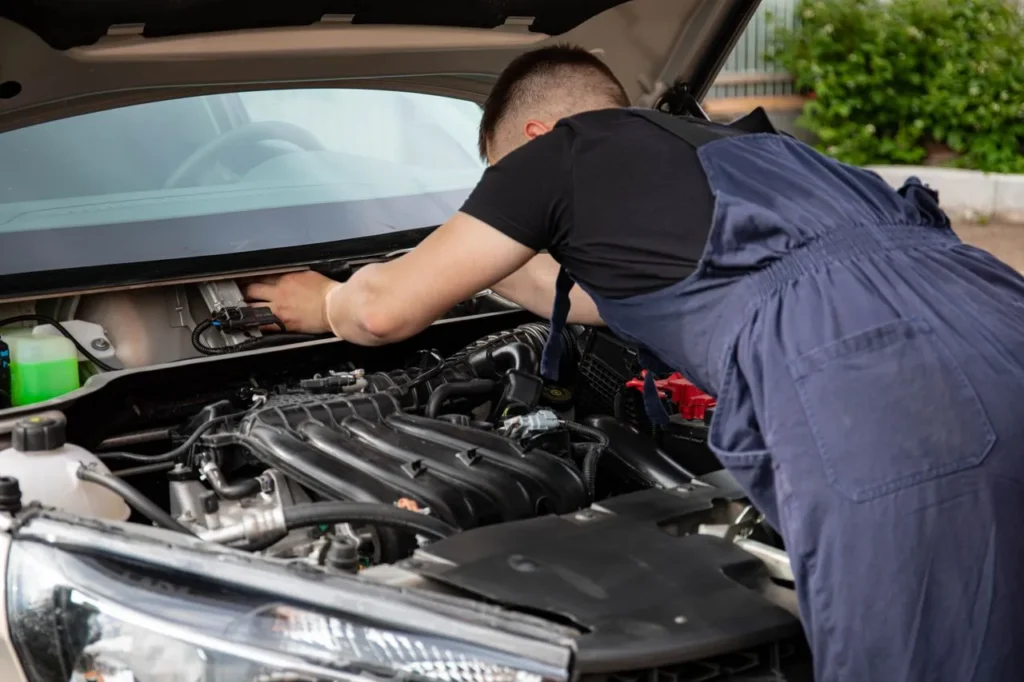
Even after a relatively minor accident, consider having the vehicle professionally evaluated. A collision damage assessment can determine whether damage extends beyond exterior panels. Technicians may inspect body panels, bumpers, structural areas, alignment, paint, and other affected components. An auto body inspection after an accident can also provide the information needed to develop an appropriate repair plan and estimate.
4. Don’t Forget to Document Car Accident Damage
Before repairs begin, take clear photographs and videos of the vehicle from multiple angles. When you document car accident damage, capture both close-up images and wider photos showing the overall condition of the vehicle. Proper documentation may be helpful when filing a car accident insurance claim.
Keep relevant records such as:
- Photos and videos of the damage
- Accident or police report information
- Insurance information
- Towing records
- Repair estimates
- Relevant receipts
- Communication related to the accident
5. Don’t Make Major Repairs Before Proper Documentation
You may want to fix visible damage immediately, but avoid making significant repairs before the damage has been properly documented and assessed. Repairing or replacing damaged components too early may make it more difficult to establish the original extent of the collision damage. Before beginning repairs, make sure you understand any documentation or inspection requirements that may apply to your insurance claim.
6. Don’t Ignore Changes in How Your Vehicle Drives
Pay attention to how your vehicle behaves after an accident. Pulling to one side, steering-wheel vibration, unusual sounds, uneven tire behavior, warning lights, or changes in handling may indicate problems that deserve professional attention. These symptoms can sometimes point to hidden collision damage involving alignment, suspension, structural components, or other systems.
7. Don’t Delay Reporting the Accident When Required
If you plan to make a car accident insurance claim, contact your insurance provider promptly and follow the reporting requirements that apply to your policy and situation. Keep your claim information organized and save copies of relevant documents. If you’re uncertain about the repair side of the claim, an experienced collision repair facility can help provide estimates, damage documentation, and repair-related information.
8. Don’t Choose a Repair Shop Based Only on Price
Price matters, but it shouldn’t be the only consideration when choosing where to repair your vehicle. Look for a repair facility that can properly assess the damage, explain the required repairs, communicate clearly, and address structural and cosmetic damage when necessary.
If you need collision repair in Hurst, TX, choosing an experienced local collision repair facility can help ensure your vehicle receives a thorough evaluation before repairs begin.
So What to Do After a Car Accident?
Knowing what to do after a car accident can help you avoid many of these mistakes. Prioritize safety, document the accident, contact the appropriate authorities when necessary, communicate with your insurance provider, and have the vehicle professionally inspected.
Following practical car accident safety tips and avoiding unnecessary risks can make the process from accident to repair much easier to manage. Read
Car Accident Repair in Hurst, TX
If your vehicle has been damaged in a collision, Beshears Collision Repair provides professional car accident repair in Hurst, TX. Our team can evaluate collision damage and provide the appropriate auto body repair in Hurst, TX, including body and panel repair, structural work, dent repair, painting, and other collision-related services.
Need Your Vehicle Inspected After an Accident?
If you’re unsure whether your vehicle has hidden damage, Beshears Collision Repair can perform a professional damage assessment and help determine the repairs your vehicle may need. Contact Beshears Collision Repair in Hurst, TX, to request an estimate and take the next step toward safely restoring your vehicle after a collision.