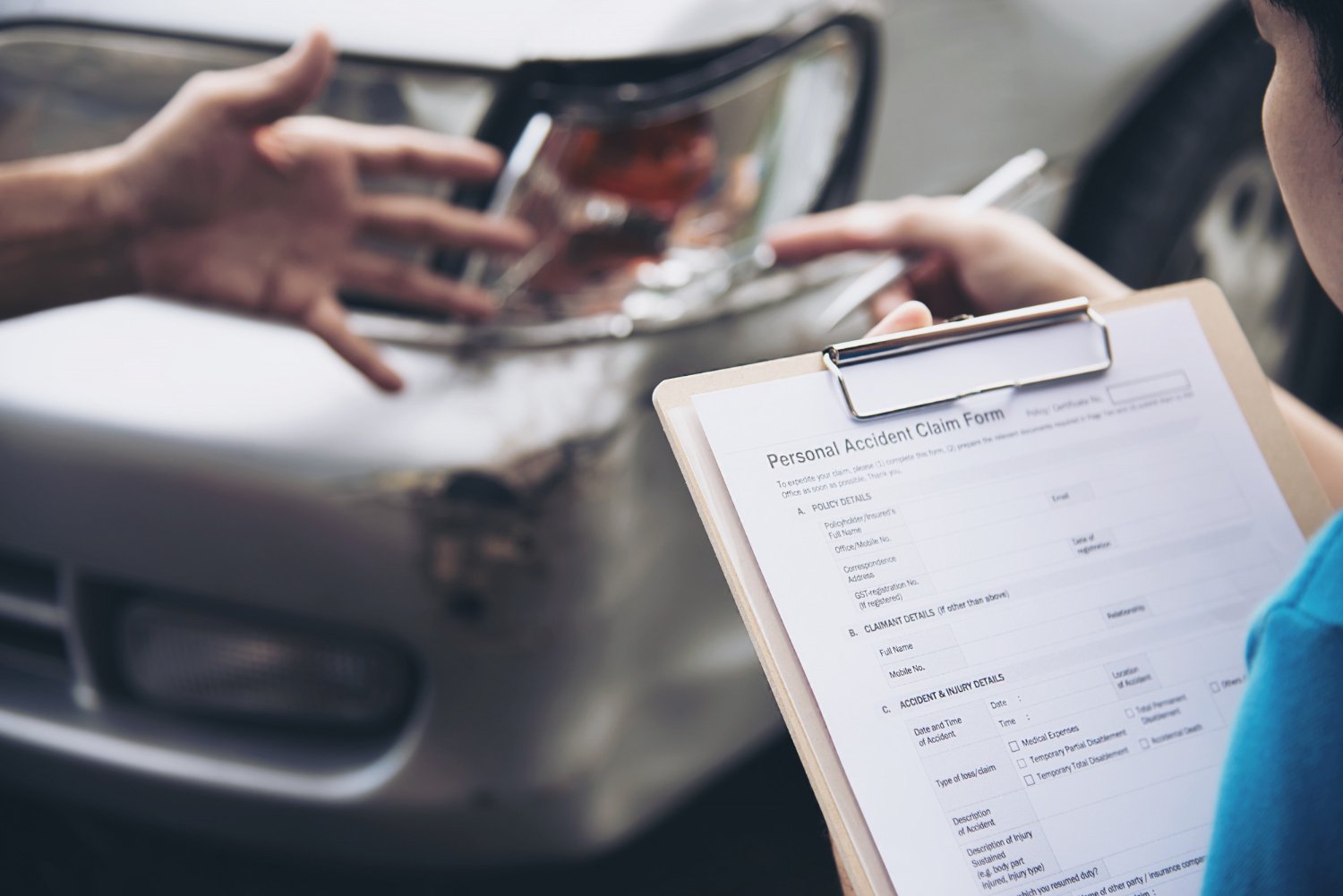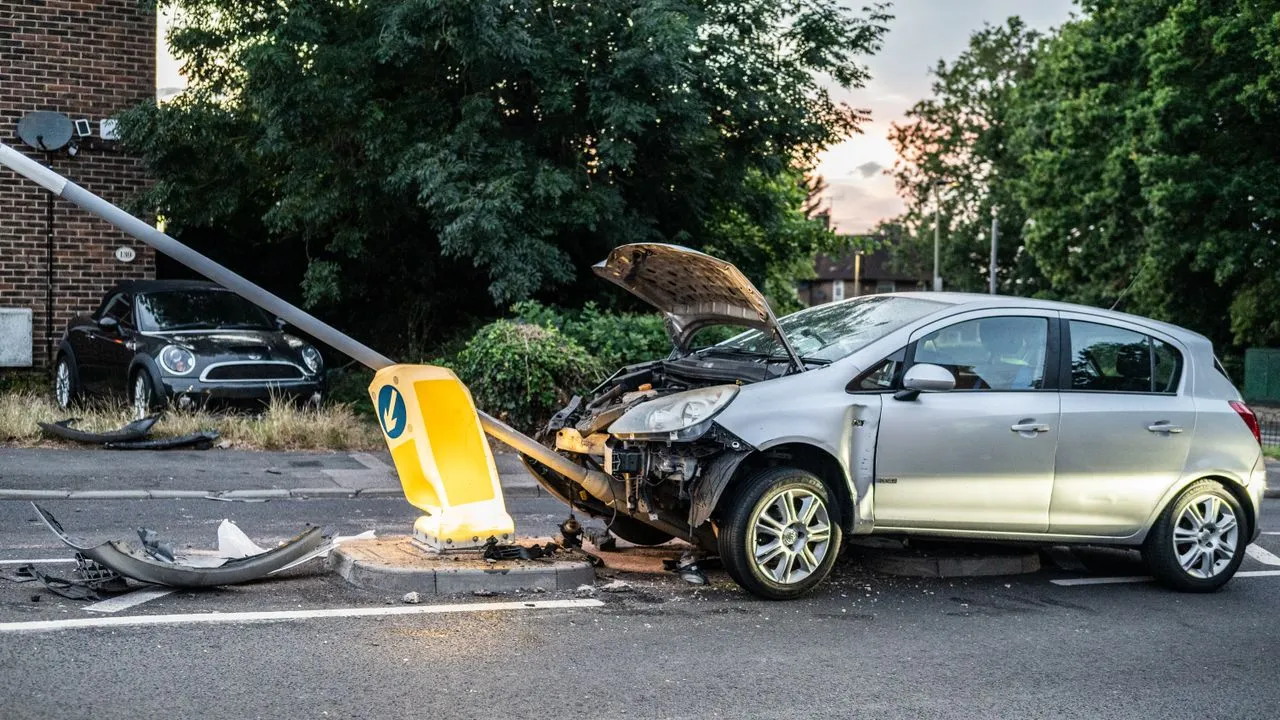
Not all accident damage is easy to see. Your vehicle may look fine after a minor collision while problems remain underneath the bumper, body panels, suspension, or structural components. Understanding the signs of hidden collision damage can help you recognize when your vehicle needs a professional inspection.
If you’ve recently been involved in an accident, pay attention to changes in how your vehicle looks, sounds, and drives. A professional collision damage inspection in Hurst, TX, can help identify problems that may not be visible from the outside.
1. Your Vehicle Pulls to One Side
One common sign of hidden collision damage is a change in how your vehicle handles. If your car begins pulling left or right after an accident, the collision may have affected the alignment, suspension, wheels, or related components. Don’t ignore alignment issues after an accident, particularly if the vehicle handled normally before the collision.
2. Unusual Vibrations While Driving
New vibrations in the steering wheel, floor, or vehicle body can indicate accident-related problems. Depending on where the vehicle was hit, suspension damage after a collision, wheel damage, alignment problems, or damaged components may cause noticeable vibrations. A professional inspection can help determine whether the vibration is related to the accident.
3. Warning Lights Appear After the Accident
Modern vehicles use numerous electronic systems, sensors, and safety components. A collision can affect these systems even when exterior damage appears limited. Pay attention to new warning lights after an accident, including airbag, ABS, traction control, or other system warnings. A warning light shouldn’t automatically be assumed to be unrelated simply because the collision seemed minor.
4. Doors, Hood, or Trunk Don’t Close Properly
After an accident, check whether your doors, hood, and trunk open and close normally. Uneven gaps, difficulty closing a door, or panels that suddenly appear misaligned can indicate structural damage after an accident or movement in surrounding body components. Changes in panel alignment should be evaluated during a professional vehicle inspection.
5. Unusual Noises After a Collision
Rattling, scraping, clicking, rubbing, or other unfamiliar noises can sometimes indicate hidden damage from a car accident. A loose panel, damaged bracket, suspension component, wheel-related issue, or other affected part may not be immediately visible. If a new sound begins immediately after an accident, having the vehicle inspected can help identify its source.
6. Damage Behind the Bumper
A bumper may appear to have only scratches or a small dent while components behind it have sustained damage. Hidden bumper damage can involve reinforcement components, mounting brackets, sensors, absorbers, or nearby body structures. This is why the appearance of the bumper alone doesn’t always reveal the full extent of vehicle collision damage.
7. Uneven Tire Wear or Wheel Problems
If your tires begin wearing unevenly after a collision, there may be an underlying alignment or suspension issue. Wheel position can also be affected by certain impacts, particularly when the collision involves the side or corner of the vehicle. Addressing these changes early can help determine whether they are connected to suspension damage after a collision or another accident-related problem.
8. Fluid Leaks After an Accident
Check underneath your vehicle after a collision for fluids that weren’t leaking previously. An accident can potentially damage components, hoses, reservoirs, or other systems depending on where and how the impact occurred. If you notice a new leak, avoid assuming it is harmless. Have the vehicle inspected to determine the source before continuing to drive it extensively.
9. Possible Car Frame or Structural Damage
Some collisions can affect a vehicle’s frame or unibody structure. Possible signs of car frame damage can include unusual panel gaps, doors that don’t fit correctly, changes in handling, visible deformation, or a vehicle that no longer appears properly aligned. Because structural components aren’t always visible from the exterior, professional inspection equipment and repair expertise may be needed to accurately evaluate the damage.
10. Changes in Sensors or Safety Systems
Many newer vehicles have parking sensors, cameras, driver-assistance technology, and other electronic safety features integrated into bumpers, mirrors, windshields, and body panels. After an accident, check whether these features continue to operate normally. Damage to a bumper or surrounding area may affect components even when there isn’t significant visible auto body damage.
Can a Minor Accident Cause Hidden Car Damage?
Yes. The amount of visible exterior damage doesn’t always indicate what happened underneath. Even relatively minor impacts can potentially affect mounting brackets, bumpers, sensors, suspension components, alignment, or other areas. That’s why hidden car damage after an accident shouldn’t be ruled out solely because the vehicle still looks normal.
Is It Safe to Drive a Car With Hidden Collision Damage?
That depends on the type and extent of the damage. If you notice steering problems, unusual vibrations, warning lights, fluid leaks, rubbing tires, damaged lights, or significant changes in handling, you should consider having the vehicle professionally evaluated before continuing to drive it. When you’re uncertain about the vehicle’s condition, professional assessment is preferable to assuming the damage is only cosmetic.
Why a Professional Collision Damage Inspection Matters
A professional inspection can identify auto body damage and other collision-related issues that may not be obvious during a quick visual check. Technicians can examine damaged body panels, bumpers, structural areas, suspension-related components, alignment, and other affected areas based on the nature of the accident. A thorough vehicle damage inspection in Hurst, TX, can help determine the full extent of the damage and what repairs may be necessary.
Collision Repair in Hurst, TX
If your vehicle has been involved in an accident, Beshears Collision Repair provides professional collision repair in Hurst, TX. Our team can inspect your vehicle for visible and hidden damage and determine whether body, structural, dent, panel, or paint repairs may be required. Even when accident damage appears minor, identifying potential problems early can help you make informed decisions about your vehicle’s repairs.
Have Your Vehicle Inspected After an Accident
If you’ve noticed any signs of hidden collision damage, don’t rely only on what you can see from the outside. Contact Beshears Collision Repair in Hurst, TX, for a professional collision damage assessment and repair estimate. Our team can evaluate your vehicle and help identify the appropriate repairs based on the damage found.